How Much Does Nonprofit Video Production Cost?
How Much Does Nonprofit Video Production Cost?
At Reveal Video, nonprofit story videos generally fall into three tiers, based on length and complexity.
Lean: $3,000 to $4,000
This is a simple two-minute video, usually built around one person telling their story. It's a great fit when you have one clear message and one strong voice, like a founder, a volunteer, or someone your organization has helped.
Medium: $6,000 to $8,000
This is a three to four minute video with more moving parts. You're layering in stock footage, images, and more detail to the story. The goal is to show a potential donor how they can make a difference, because that's the whole point. These videos exist to bring more donors to your door so you can keep making change in your community.
High-End: $10,000 to $12,000
This is a five to six minute story with more people, more content, and more depth. Every added voice and visual makes the story richer, and it also makes the production more complex.
Notice that length drives the price. More minutes and more story elements mean more planning, more filming, and, most importantly, more editing.
Where Your Video Budget Actually Goes
Most of the cost is not the camera. It's the edit.
Editing Takes More Time Than Most People Expect
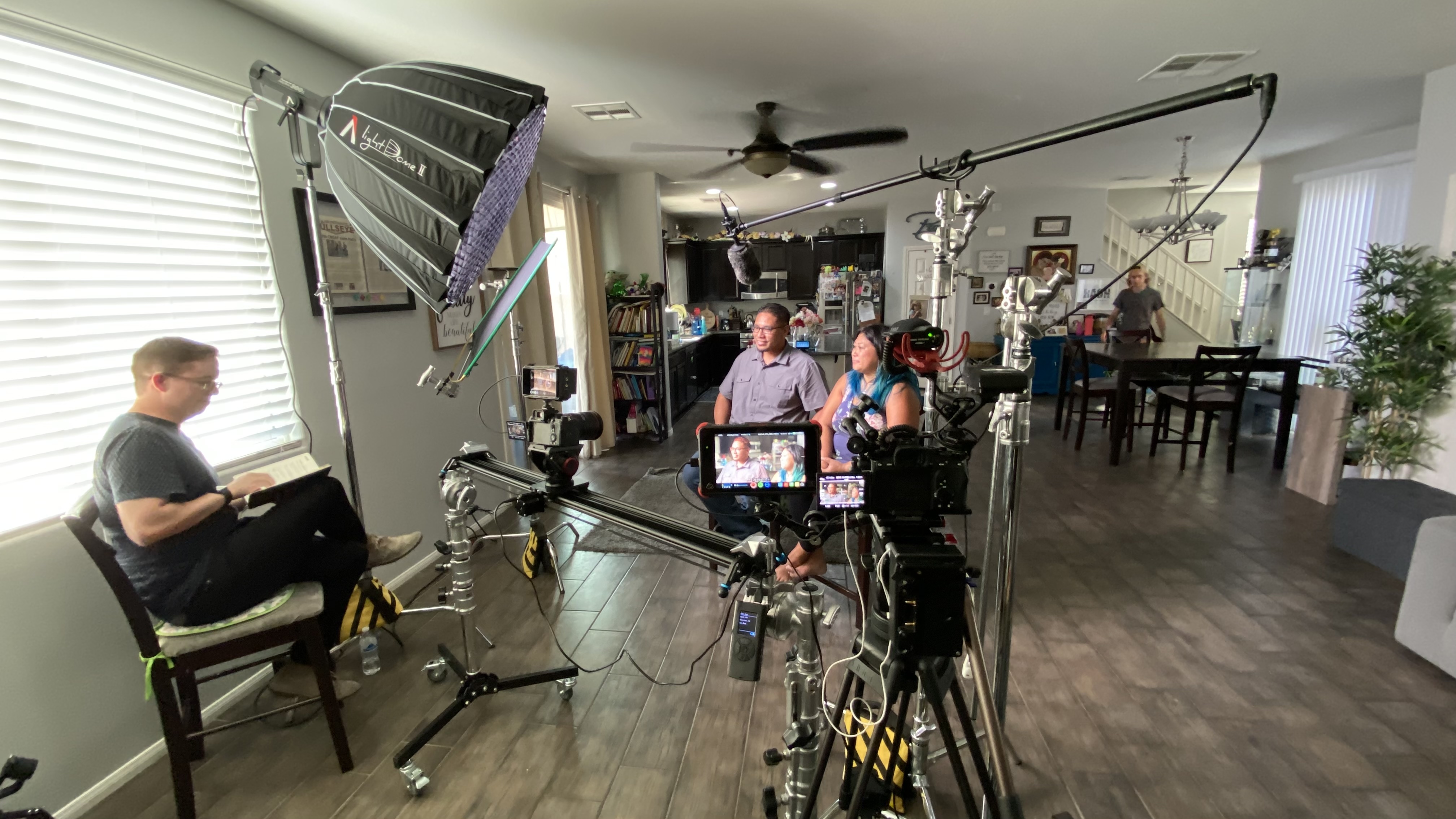
Our rule of thumb is one day of editing for every minute of finished video. A two-minute video takes about two days, a three to four minute video can take up to four days, and a five to six minute video takes five to six days. That time goes into making sure the audio sounds right, the lighting looks right, and every image holds up. It also covers revisions, so changes that come up along the way are already accounted for.
Production Day Is About Being Prepared
The second biggest piece is the shoot itself. That means arriving with the right cameras, the right lighting, and the right people, so everything moves quickly and stays on schedule. Your video needs to be ready on time, whether that's for a gala, a board meeting, or an email campaign.
Your Story Video Should Not Live Only on YouTube
Every package we offer includes social media videos, so your story keeps working long after it's published. A great video that gets posted once and forgotten isn't doing its job.
The Real Cost of Going Too Cheap
When nonprofits tell us about a video experience that went badly, it usually started with the cheapest option. These are the problems we hear about most:
The contractor or agency disappears in the middle of the project, right when a deadline is closing in
The quality isn't there, so the video looks rough and falls flat
The video isn't emotionally moving, and a story that doesn't move people doesn't motivate them to get involved
Pricing turns out to be inconsistent, and the process becomes frustrating
When you hire the right team, you get the opposite: reliable follow-up, a polished and professional look, and a story that inspires people to donate, volunteer, or show up. Many of the clients who come to us have already been through a bad experience with the cheap option, and they are understandably wary of video production.
The Risk of Overspending on the Wrong Thing
Going cheap isn't the only way to waste money. Sometimes a nonprofit spends a lot and still doesn't get what it needs.
A production company can deliver a beautiful video that never answers the real questions behind the project. It looks great, but it doesn't help you raise money, recruit volunteers, or build awareness. A higher price doesn't guarantee a better result. The right team has to understand what your nonprofit does and what you're trying to accomplish, then build the story around those goals.
Questions to Answer Before You Set a Video Budget
A good budget starts with good questions. Whether you work with us or someone else, these are worth answering first:
What is the heart and mission of your organization, and who are you trying to reach?
What have you tried with video so far? What worked, what didn't, and what didn't land the way you hoped?
Where are things falling short right now? Is your video not getting seen, not getting a response, or is the message itself off? Or is the challenge simply keeping up with it at all?
What does your dream state look like? If your communications were running at their best, what would be different?
What put video on your mind now? Is there a campaign, gala, board meeting, or annual report with a deadline?
If nothing changed for the next 12 months, what would that mean for you and the people you serve?
That last question is a powerful one. It turns video from a nice-to-have into a decision about your future.
A Real Example: Mount Charleston Fire and Rescue
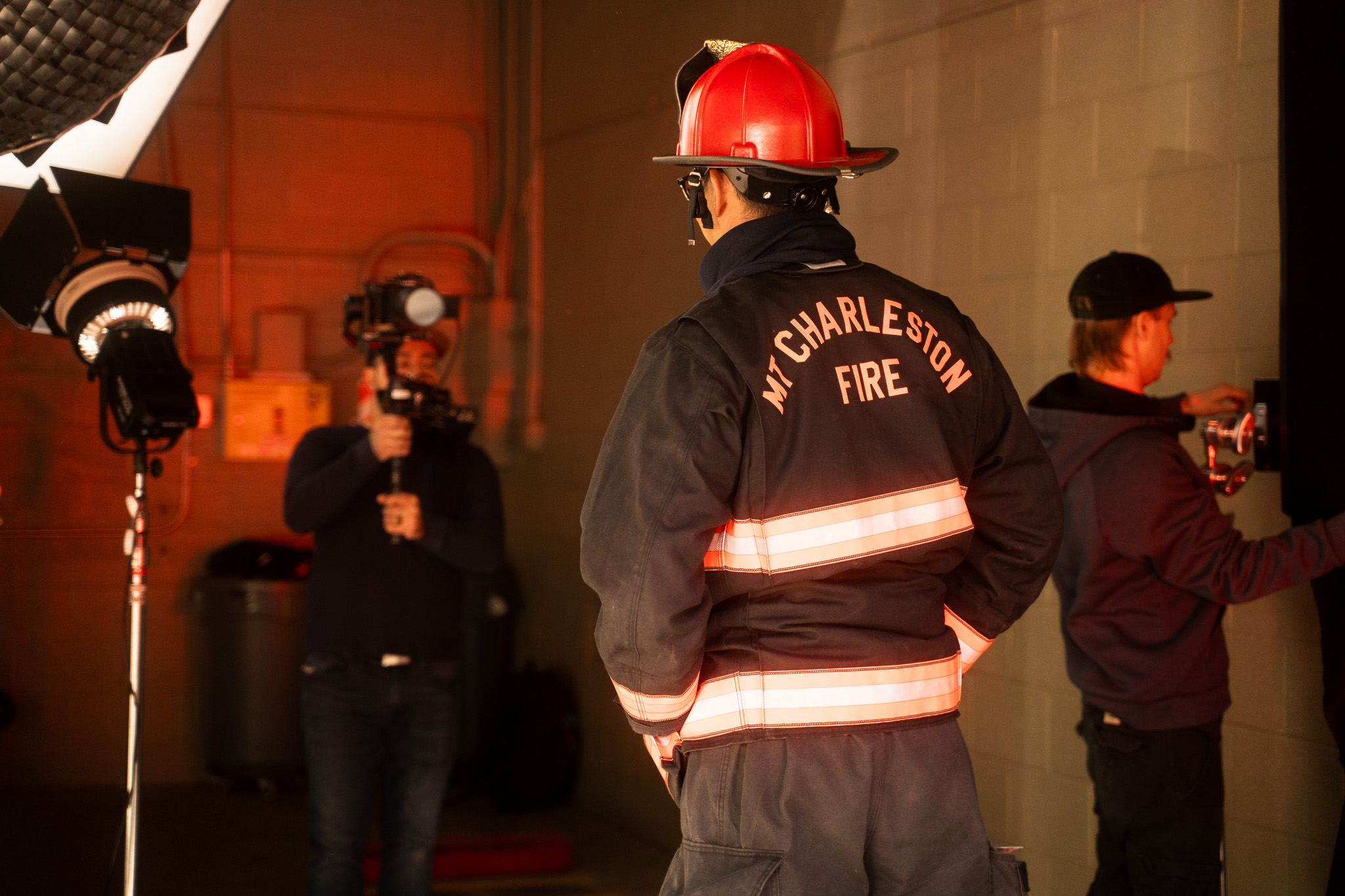
Mount Charleston Fire and Rescue (MCFR) is a good example of what happens when storytelling is tied to a real goal.
When Tropical Storm Hilary hit in 2023, the community was cut off by flooding. When news crews arrived, many reporters assumed the firefighters were volunteers. In reality, MCFR has been a fully paid, professional department since 2015. The community just didn't know it, because an outdated website left residents with little sense of who these first responders were or what they did. In the middle of a crisis, that gap had real consequences.
In 2024, MCFR partnered with us to reshape how they show up in the community. That meant a new website, a monthly newsletter, and fresh content that reflected what was happening on the mountain and why it mattered. The results so far:
Instagram grew from 300 followers in 2024 to 1,400 in 2026, a fourfold increase in two years
The monthly newsletter now reaches 175 residents directly
City of Las Vegas officials and neighboring fire departments have taken notice
Local businesses have begun supporting the department
MCFR is now training other organizations and has built a partnership with a local high school fire safety program
None of those opportunities would have happened if their story hadn't been told. The change wasn't about the videos themselves. It was about giving a hard-working department the public voice it deserved.
My Best Budgeting Advice: Keep Showing Up
If you take one thing from this post, let it be this: you need to keep showing up in people's lives. These days, people find organizations through social media, email newsletters, search, and a strong website. If your nonprofit goes quiet online, that silence hurts you.
That's why it's smart to think of video as a stream of content rather than a one-time purchase. A single story video is powerful, but the short social clips, newsletter content, and photos you gather along the way are what keep your name in front of people month after month.
The Hard Truth Most Nonprofits Don't Want to Hear
You're busy, and I get it. You're feeding people, counseling people, and serving your community. Pulling out a camera is the last thing on your mind, and you don't want to put a lens in front of someone while you're trying to connect with them in a meaningful way.
That's exactly why you should let someone else capture it for you. When you consistently document the work you do, people see it, and that sets you up for your next event and your next year. If you choose not to, you're choosing to stay average. No new people will discover what you're doing, and no new donors or volunteers will find their way to you.
I'll say this plainly: staying quiet is a little selfish. There are people out there looking for an organization to give to or serve with. When you don't share your story, you keep them from finding you, and you limit the impact you could have in your community.
So, What Should You Budget?
Start with your goal, then pick the tier that fits it. A lean video can be a strong starting point for a focused message. A medium or high-end video makes sense when you have a bigger story to tell or a major campaign ahead. Whatever you choose, make sure your production partner understands your mission, communicates reliably, and plans for how the video will be used after it's finished.
If you lead a mission-driven organization, here is the question worth asking: do the people you serve actually know who you are and what you do? If not, that's the gap to close. Book a call to learn how we can help!


